Refill Household Cleaners Safely and Confidently
Know What’s in the Bottle


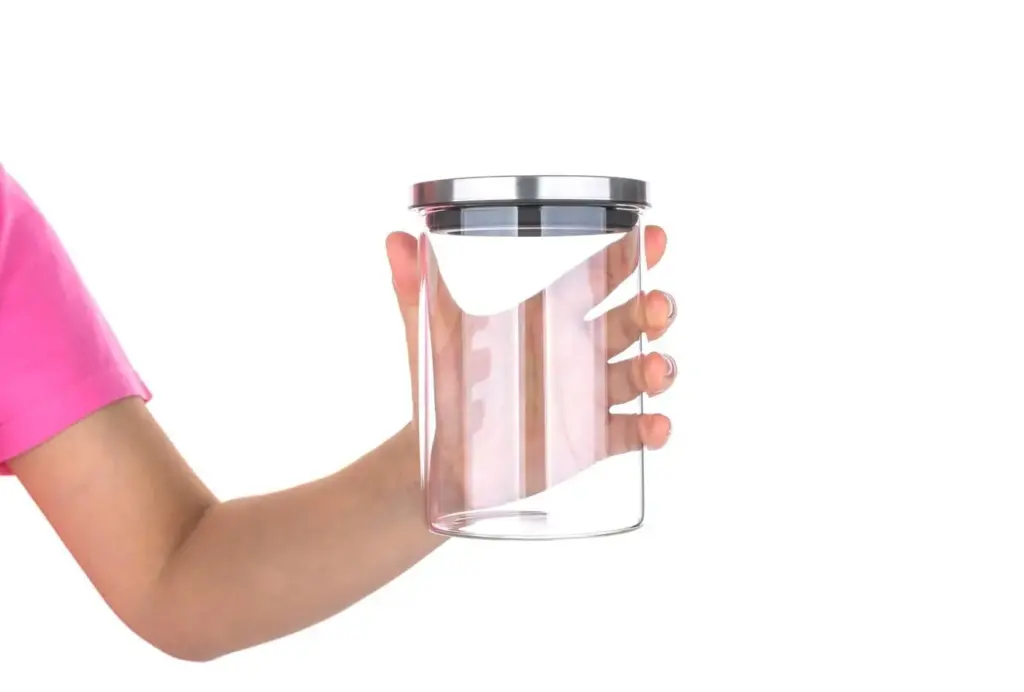


Set Up a Safe Refill Station
{{SECTION_SUBTITLE}}

Personal Protective Equipment

Ventilation and Air Quality
Containers, Funnels, and Clear Labeling
Choose Materials that Match the Product
Never Reuse Food or Drink Bottles
Label Everything Completely


Dilution, Compatibility, and What Never to Mix
Storage, Child Safety, and Everyday Habits
High, Locked, and Separate
Designate a cabinet with a child lock, and keep cleaners out of sight and reach. Separate incompatible categories: store bleach away from acids and ammonia-based products. Avoid extreme temperatures and direct sun, which degrade formulas. Place absorbent liners under bottles to detect slow leaks early. Inspect containers monthly for cracks or swelling. These straightforward precautions are easy to maintain, especially when everything has a fixed home, a clear label, and a routine check-in built into your household rhythm.
Care for Tools and Equipment
Rinse funnels and measuring tools with plenty of water immediately after use, and air-dry on a clean rack. Wash reusable gloves regularly, inside and out, and replace them if they become sticky, brittle, or torn. Keep an extra sprayer head in reserve, and discard parts that leak. Wipe bottle threads before capping to prevent fused lids. Record simple maintenance notes, even brief ones, to help you stay consistent. Reliable tools keep refills predictable, safe, and far less stressful.
Disposal and Local Rules
Never combine leftovers from different products when discarding. Check your city’s household hazardous waste guidelines for disposal instructions and collection events. Many municipalities allow small quantities of certain diluted cleaners down the drain, but rules vary and labels govern. Empty, triple-rinsed containers may be recyclable depending on local programs. When in doubt, store safely and ask your waste authority before acting. Responsible disposal protects waterways, sanitation workers, and wildlife, reinforcing the environmental benefits of refilling in the first place.
Sustainability Without Cutting Corners

All Rights Reserved.